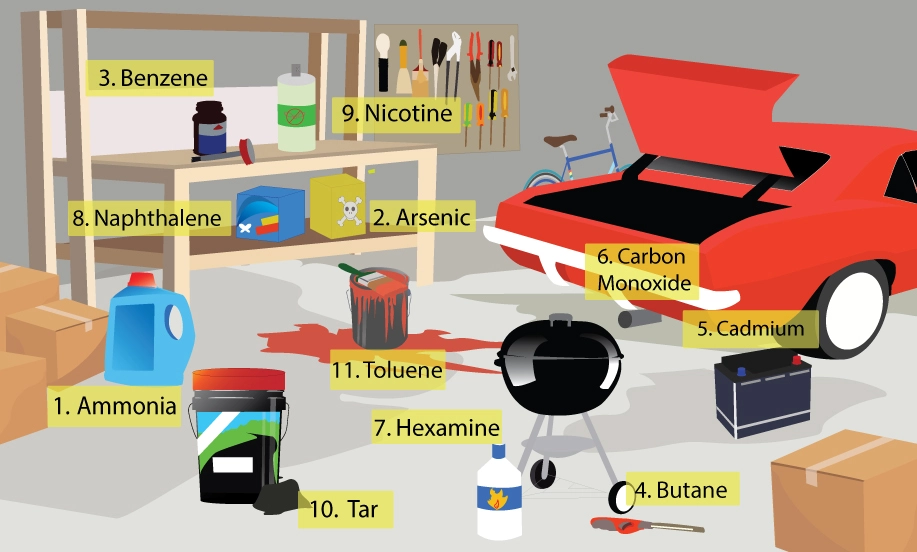
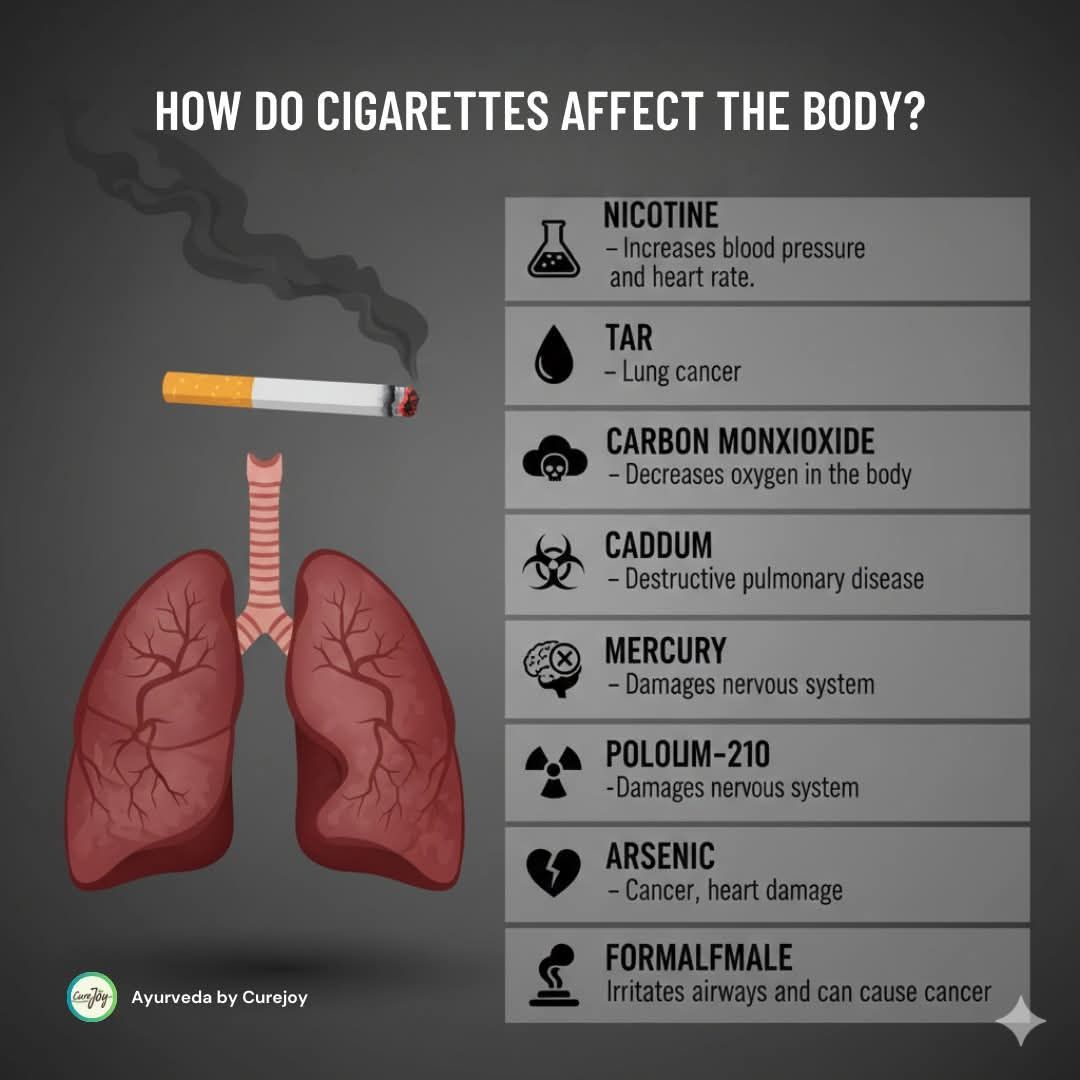
Heres exactly how I evaluate air purifiers: Test Environment Primary Test Space: 728 cubic foot room (approximately 12 13 8 ceiling) Secondary Test Space: Sealed 4 cubic foot acrylic smoke box for controlled tests Ambient Conditions: 68-72F, 40-50% humidity, baseline ambient noise 28-30 dB Equipment Used TSI AeroTrak 9306 Particle Counter ($4,500 professional-grade unit, not a consumer sensor) Measures PM1, PM2.5, PM10 with laboratory accuracy Extech 407768 Sound Level Meter (Type 2, calibrated) Measures decibel levels to within 0.1 dB Kill-A-Watt P3 Power Meter Tracks energy consumption to 0.01W precision Smoke Source: Standardized incense sticks (for repeatability across tests) and actual cigarette smoke (for real-world validation) The 5 Core Tests I Perform Test 1: Smoke Box Speed Test I fill a sealed 4 cubic foot acrylic box with dense smoke until visibility is near zero (PM2.5 typically exceeds 1,000 g/m)
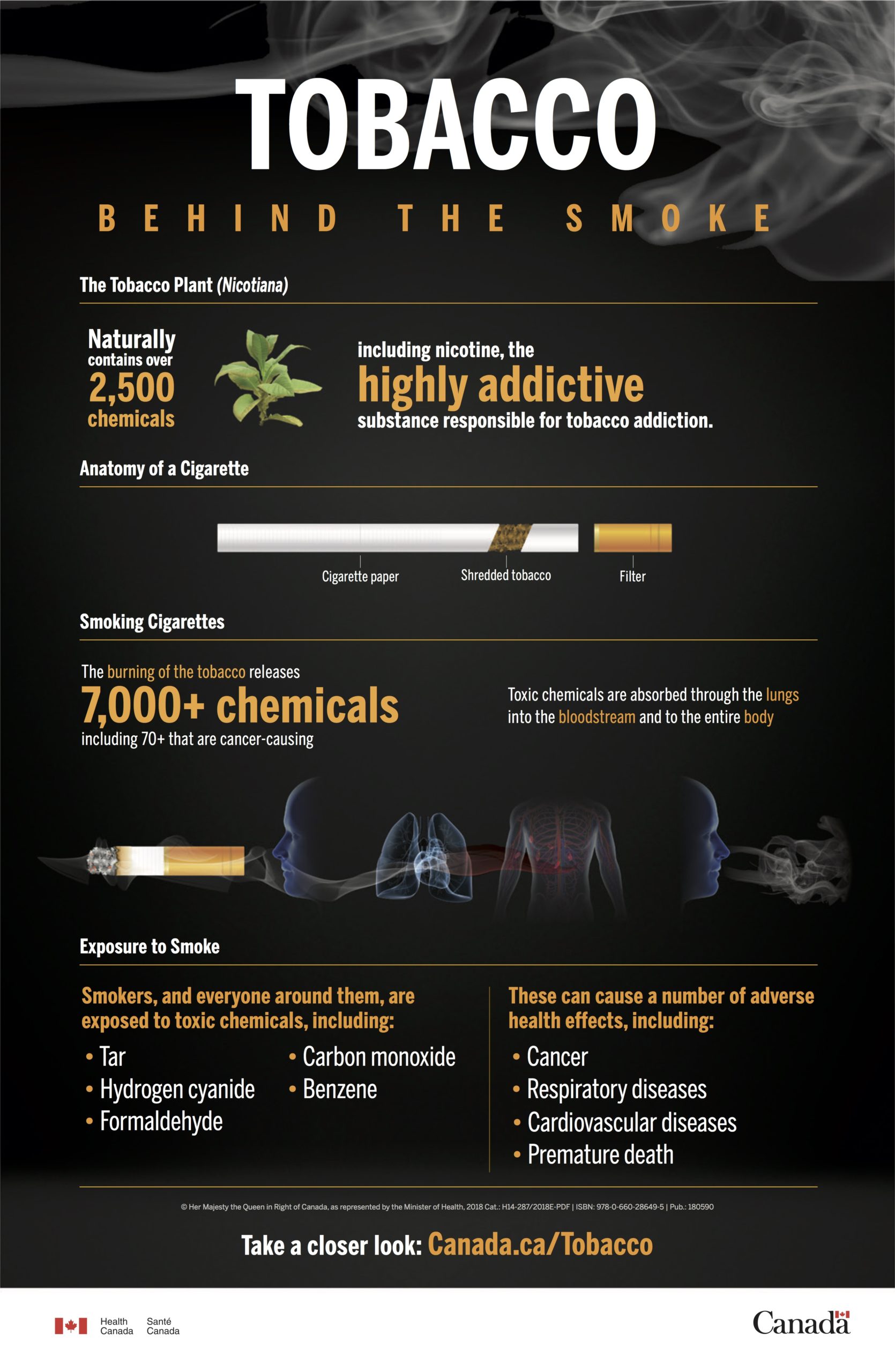
Knowing exactly how many cigarettes are in a pack enables brand managers, wholesale buyers, and manufacturers to calculate unit cost positioning, tax allocations, and gross profit margins accurately
Zero nicotine disposable vapes are becoming increasingly popular as an alternative to traditional e-cigarettes and smoking
These countries have similar laws to Canada when it comes to the sale of tobacco, aiming to prevent minors from accessing these products and reducing tobacco use overall